Guides
Jellutide Guides: Weight-Loss Supplements, Explained Plainly
The Jellutide guides are four plain-language explainers for people weighing a weight-loss supplement: how supplements differ from GLP-1 drugs, whether fat burners work, how to judge safety, and what helps with appetite and cravings. Each one starts from public health sources and studies, not from sales copy, and says where Jellutide fits and where it does not.
Written by the Jellutide label deskUpdated
Start here01
Which Jellutide guide should you read first?
Start with the guide that matches your question. If you take or are thinking about a GLP-1 medicine, read the GLP-1 guide first. If an ad promised fast results, start with fat burners or safety.
Each guide is short, links its sources and ends with questions you can take to a doctor or pharmacist.
GLP-1 and supplements
How prescription GLP-1 drugs differ from gummies sold with GLP-1 words, and why that gap matters.
Do fat burners work?
What caffeine, green tea, guarana and other common ingredients showed in trials, and their side effects.
Supplement safety
Hidden drug ingredients, the FTC's always-false claims and how to read a label before you buy.
Appetite and cravings
What vinegar did for fullness in a meal study, and the daily habits that steady hunger.
The basics02
What is a weight-loss supplement?
A weight-loss supplement is a pill, powder, drink or gummy sold as a dietary supplement with claims about weight, metabolism or appetite. It is not a medicine, and FDA does not approve it before it goes on sale (FDA, Using Dietary Supplements).
Most products mix a few common ingredient groups. Some carry caffeine, some carry plant extracts and some, like Jellutide, use vinegar and ketone salts. The label can only make structure/function claims, so you see words like "support" with an asterisk (FDA, Structure/Function Claims).
| Group | Examples | What the evidence says |
|---|---|---|
| Caffeine sources | Guarana, green tea | Green tea gave a mean 0.95 kg more loss than placebo across 14 trials (NIH ODS, Weight Loss); guarana's effects are mostly from its caffeine (MSKCC About Herbs, Guarana) |
| Minerals | Chromium | Very small extra loss, of little clinical meaning (NIH ODS, Chromium) |
| Plant extracts | Forskolin, African mango, raspberry ketone | Forskolin did not cut weight in small trials; the others lack good studies (NIH ODS, Weight Loss) |
| Vinegar | Apple cider vinegar | A small effect at 5-30 mL a day, in trials with high bias (Castagna 2025, ACV meta-analysis) |
| Ketone salts | BHB calcium, magnesium, sodium | Brief rise in blood ketones at gram doses; no proof of weight loss (Stubbs 2017, Front Physiol) (Falkenhain 2022, Adv Nutr) |
Evidence03
Do weight-loss supplements actually work?
Mostly no, or not by much. NIH's review finds weak evidence or none for most weight-loss supplement ingredients, and any effect tends to be small (NIH ODS, Weight Loss).
NCCIH adds that products sold for rapid weight loss generally do not keep weight off, and that "natural" does not mean safe (NCCIH, Weight Control).
What has evidence is slower and plainer. CDC says people who lose about 1 to 2 pounds a week are more likely to keep it off (CDC, Steps for Losing Weight). Adults are advised to get 150 to 300 minutes of moderate activity a week (HHS, Physical Activity Guidelines).
- Read the dose on the label and compare it with the dose used in studies.
- Look for a trial of the product itself, not just its ingredients.
- Treat before-and-after photos and testimonials as ads, not proof (FTC, Health Products Guidance).
Supplements vs drugs04
How are weight-loss supplements different from GLP-1 medicines?
GLP-1 medicines are prescription drugs tested and approved by FDA; supplements are not. Semaglutide, tirzepatide and liraglutide are prescribed for adults who meet BMI and health criteria and are used under medical care (NIDDK, Weight-loss medications).
Some supplement ads borrow GLP-1 language. FDA has also warned about unapproved GLP-1 products and has found counterfeit Ozempic in the U.S. supply chain (FDA, Unapproved GLP-1 drugs).
Where Jellutide sits
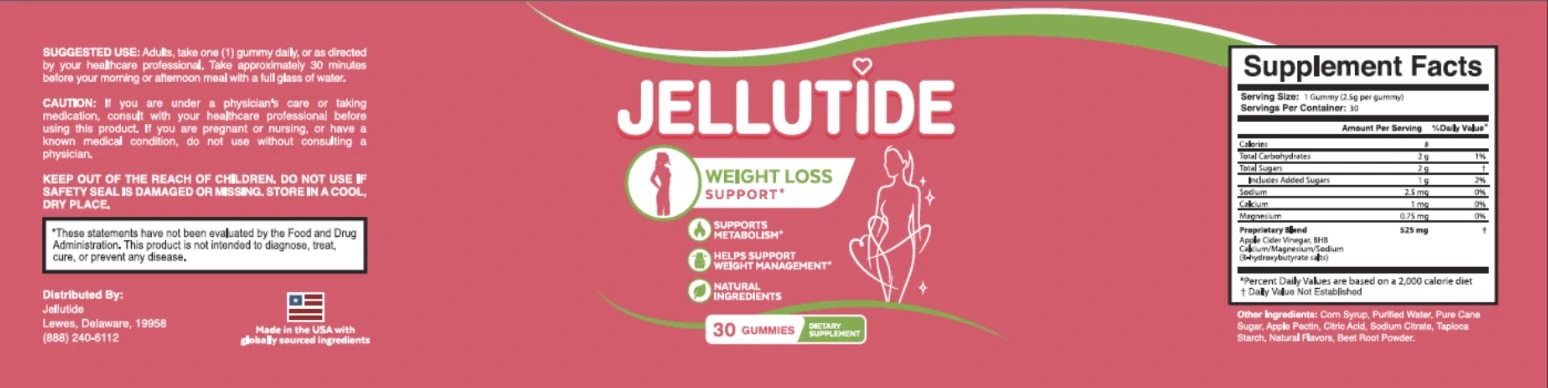
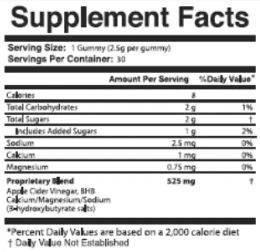
Jellutide is a dietary supplement gummy with a 525 mg blend of apple cider vinegar and BHB salts. It is not a GLP-1 medicine, whatever the sales page says. The GLP-1 guide sets the two side by side.
If you use a GLP-1 medicine or any prescription, keep taking it as directed. Ask the prescriber before adding any supplement.
Safety05
Are weight-loss supplements safe?
Many are low risk, but the category has real problems. Weight-loss products made up 317 of 776 supplements flagged in FDA warnings from 2007 to 2016, and most of those held a hidden drug, sibutramine (Tucker 2018, JAMA Netw Open).
FDA warns that tainted products are often sold as "all natural" and carry claims that sound too good to be true (FDA, Hidden Ingredients). Products high in caffeine can also raise heart rate (NCCIH, Weight Control).
The safety guide walks through the warning signs and a label check you can do in the store or on your phone.
Jellutide: from $49 a bottle30 gummies · 2, 3 or 6 bottles · free shipping on 3 or 6 · 60-day guarantee
See packsJellutide06
Where does Jellutide fit next to these guides?
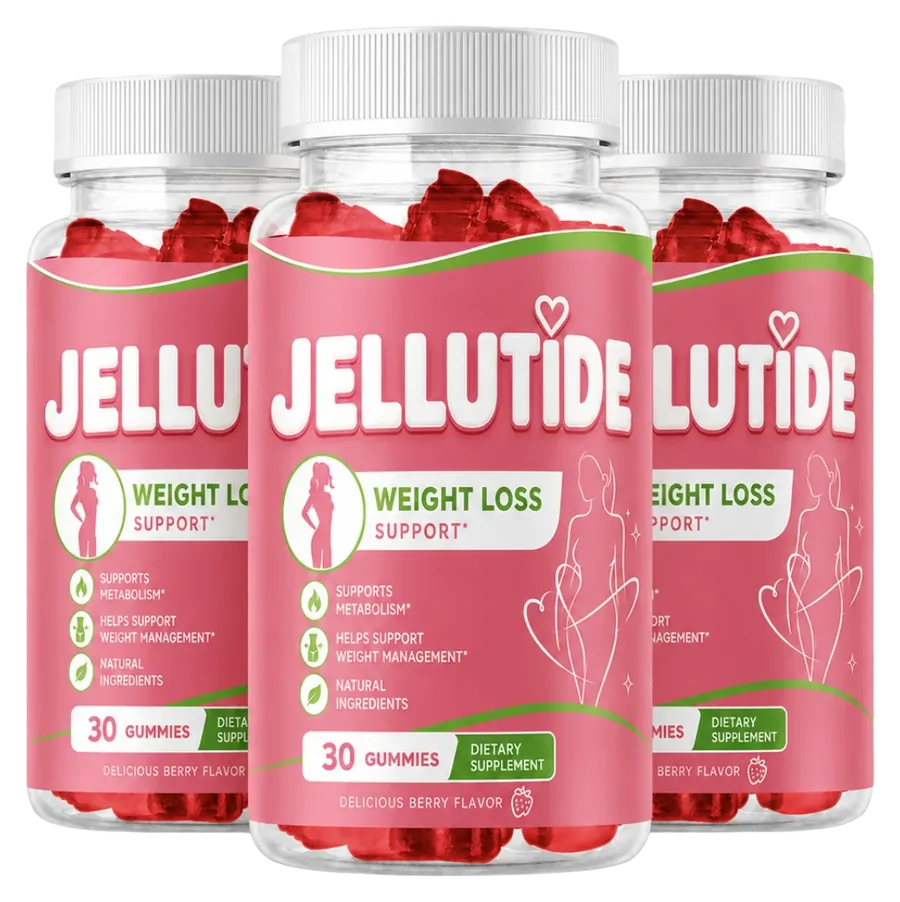
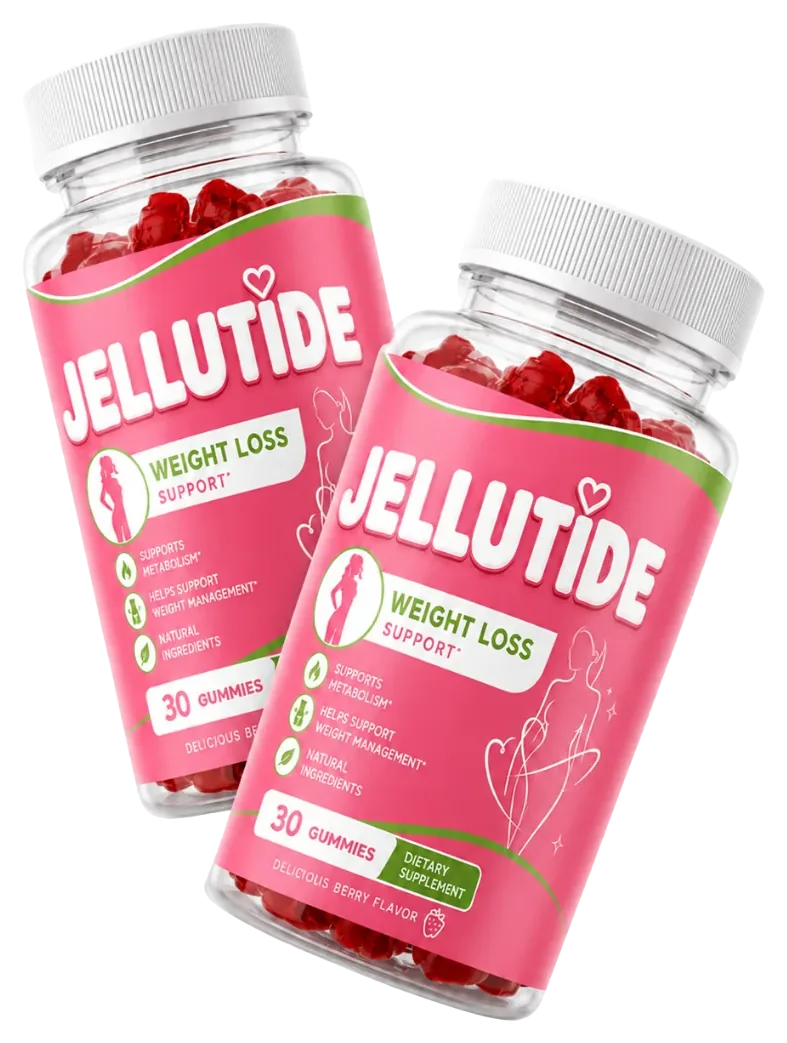
Jellutide is one small example of the category. The bottle label lists one gummy a day, 8 calories, 2 g of sugars and a 525 mg blend of apple cider vinegar and BHB salts.
The guides give the wider picture; the product pages give the details. Start with Jellutide ingredients for the label math, and read is Jellutide legit for the claims check.
No trial of Jellutide exists, so the guides never claim a result for it.
Doctor visit07
What should you ask a doctor about weight-loss supplements?
Ask whether the supplement is safe with your medicines and conditions, and whether your goals call for a different plan. Bring the bottle or a photo of its label.
A pharmacist can also check the label against your medicine list.
Is it safe with what I take?
Name every prescription, over-the-counter drug and supplement you use.
Is my weight a health risk?
Ask about your BMI (CDC, Adult BMI Categories) and conditions linked to obesity (NIDDK, Health Risks of Obesity).
Would a medicine or program fit me?
Ask whether you meet the criteria for prescription treatment (NIDDK, Weight-loss medications).
Method08
How are the Jellutide guides written and checked?
The Jellutide label desk writes each guide from public health sources such as NIH, FDA, CDC and the FTC, plus peer-reviewed studies. Every source is linked so you can read it.
We quote sales claims in quotation marks and answer them with evidence. We do not invent numbers, reviews or experts, and the medical reviewer slot stays empty until a review is on file.
Gojellutide earns money from order links, and each guide says so. See our editorial standards for the full rules.
FAQ09
Questions about weight-loss supplements
What ingredients are in most weight loss supplements?
Most weight loss supplements use caffeine sources such as green tea or guarana, minerals such as chromium, plant extracts such as forskolin or African mango, or vinegar and ketone salts. NIH finds weak evidence or none for most of these, and any effect tends to be small.
Are weight loss supplements regulated by the FDA?
Partly. FDA does not approve weight-loss supplements before sale. Labels may make structure/function claims only with the FDA statement, and makers must have evidence that those claims are truthful and not misleading.
Which weight loss supplement has the best evidence?
None has strong evidence. Green tea gave a mean 0.95 kg more loss than placebo across 14 trials, and chromium even less, both small. For appetite, no gummy has strong proof over time. A single-meal study found vinegar with about 1.1 to 1.7 g of acetic acid raised fullness, but that was one meal, not a weight-loss trial. Steady habits matter more than any ingredient.
Can you take a weight loss supplement with a GLP-1?
Ask the doctor who prescribed your GLP-1 medicine first. Keep taking the medicine as directed either way. A supplement does not add GLP-1 effects, and some ingredients, such as caffeine or vinegar in large amounts, can cause side effects or interact with other drugs.
What is the safest way to lose weight?
Slow and steady is safest. CDC says losing about 1 to 2 pounds a week makes it more likely the weight stays off. Pair healthier eating with 150 to 300 minutes of moderate activity a week, enough sleep and support, and talk to a doctor about your plan.
Why do weight loss supplements contain hidden drugs?
Some makers add prescription drug ingredients to make a product seem to work. FDA warnings from 2007 to 2016 flagged 317 weight-loss supplements, and the drug sibutramine was found in most of them. Claims that sound too good to be true are a warning sign.
Is apple cider vinegar a fat burner?
No. Mayo Clinic's view is that apple cider vinegar is not likely to cause weight loss. A pooled review of trials using 5 to 30 mL a day found a small effect on weight, but many trials had a high risk of bias, and none tested gummies.
Who wrote this10
Written and reviewed by
Pages built from the bottle label, the sales page and linked NIH, FDA, CDC, FTC and peer-reviewed sources.
Last updated . Read our editorial standards and how we check reviews. This website is run by a USA authorized Jellutide retailer, not by the manufacturer or the distributor. We earn money when you buy through our order links.
Keep reading
More about Jellutide
USA authorized Jellutide retailer
Ready to try Jellutide?
Check your medicines first, then pick a pack. Three or six bottles ship free and cost less per bottle, and the 60-day guarantee runs from the day the package arrives.
- Secure checkout on the sales page
- 60-day money-back guarantee
- Ships from the U.S.