Blog
What is a healthy BMI, and what does it miss?
A healthy BMI for adults 20 and older is 18.5 to under 25, according to CDC. Below 18.5 is underweight, 25 to under 30 is overweight, and 30 or higher is obesity. BMI is a screening measure, so CDC says to consider it with other factors when judging health.
Written by the Jellutide label deskUpdated · 4 min read
The range01
What is a healthy BMI for adults?
A healthy BMI for adults is 18.5 to under 25. CDC sets the categories for adults 20 and older as underweight below 18.5, healthy weight 18.5 to under 25, overweight 25 to under 30, and obesity 30 or higher (CDC, Adult BMI Categories).
The same categories apply regardless of age, sex or race (CDC, Adult BMI Categories). BMI is a number built from height and weight, so it is quick to work out.
Try the calculator below.
- UnderweightBMI Below 18.5
- Healthy weightBMI 18.5 to under 25
- OverweightBMI 25 to under 30
- ObesityBMI 30 or higher
Type your height and weight to see your BMI and its category. BMI is a screening number, not a diagnosis.
Categories from CDC (CDC, Adult BMI Categories). BMI does not measure body fat directly; muscle, age and ethnicity change what it means. Talk to your doctor about your own number.
The classes02
What are the classes of obesity?
CDC splits obesity into three classes: class 1 is a BMI of 30 to under 35, class 2 is 35 to under 40, and class 3, severe obesity, is 40 or higher (CDC, Adult BMI Categories).
| Category | BMI |
|---|---|
| Underweight | Below 18.5 |
| Healthy weight | 18.5 to under 25 |
| Overweight | 25 to under 30 |
| Obesity, class 1 | 30 to under 35 |
| Obesity, class 2 | 35 to under 40 |
| Obesity, class 3 (severe) | 40 or higher |
The limits03
What does BMI miss?
A lot. CDC calls BMI a screening measure and says it should be considered with other factors when assessing health (CDC, Adult BMI Categories).
It is a starting point, not a diagnosis. Two people with the same BMI can differ in health, and one number cannot tell your doctor everything. That is why a visit matters more than a calculator.
BMI still points to risk. NIDDK links overweight and obesity to type 2 diabetes, high blood pressure, heart disease and stroke, among other conditions (NIDDK, Health Risks of Obesity).

Jellutide: from $49 a bottle30 gummies · 2, 3 or 6 bottles · free shipping on 3 or 6 · 60-day guarantee
See packsNext steps04
What should you do with your BMI?
Share it with your doctor and ask what it means for you. Do not buy anything because of a number alone.
NIDDK says adults may qualify for weight-loss medicine with a BMI of 30 or more, or 27 or more with a weight-related problem such as high blood pressure or type 2 diabetes (NIDDK, Weight-loss medications). A doctor makes that call, not a website.
The same source says medications do not replace healthy eating and activity (NIDDK, Weight-loss medications).
Applied05
Does a supplement like Jellutide change your BMI?
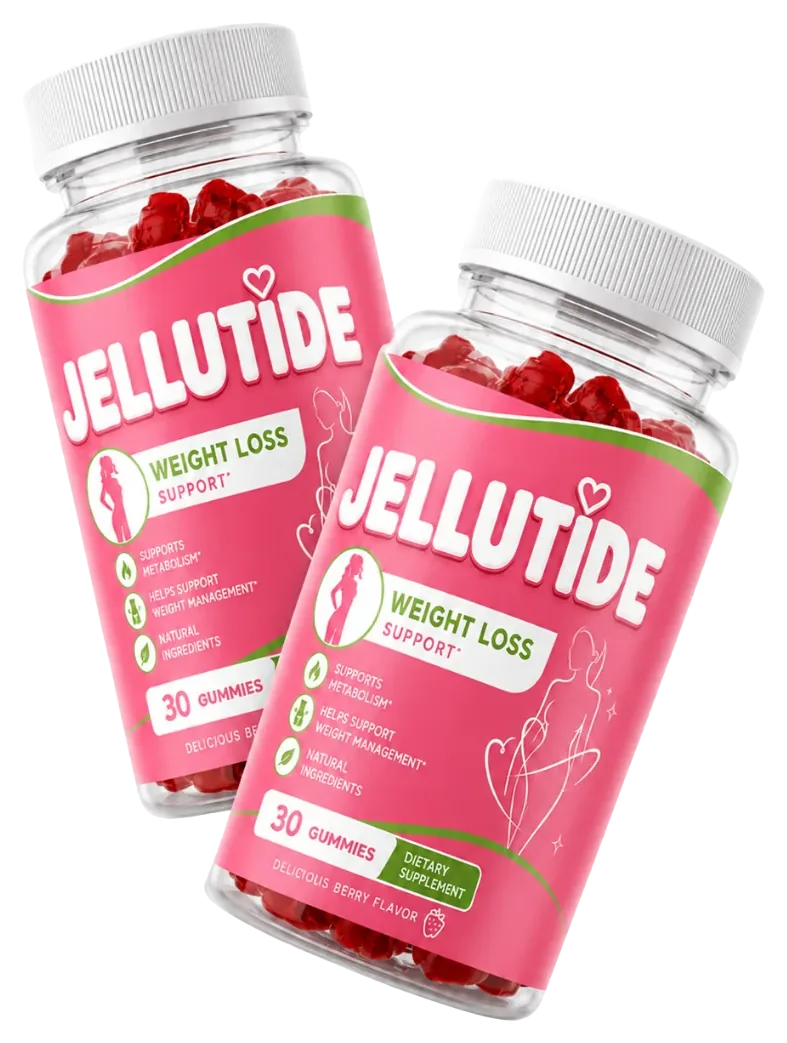
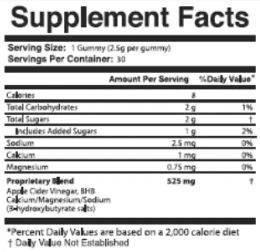
No study says that Jellutide does. It is a dietary supplement gummy and no trial of it has been published. It is not a GLP-1 medicine.
Our who it is for page helps you decide whether to ask your doctor about it, and our results timeline sets honest expectations.
Keep taking prescribed medicine, including any GLP-1 medicine, exactly as directed.
Thinking about Jellutide?Check your medicines first. These are the two packs that ship free; the 60-day money-back window starts when the package arrives.
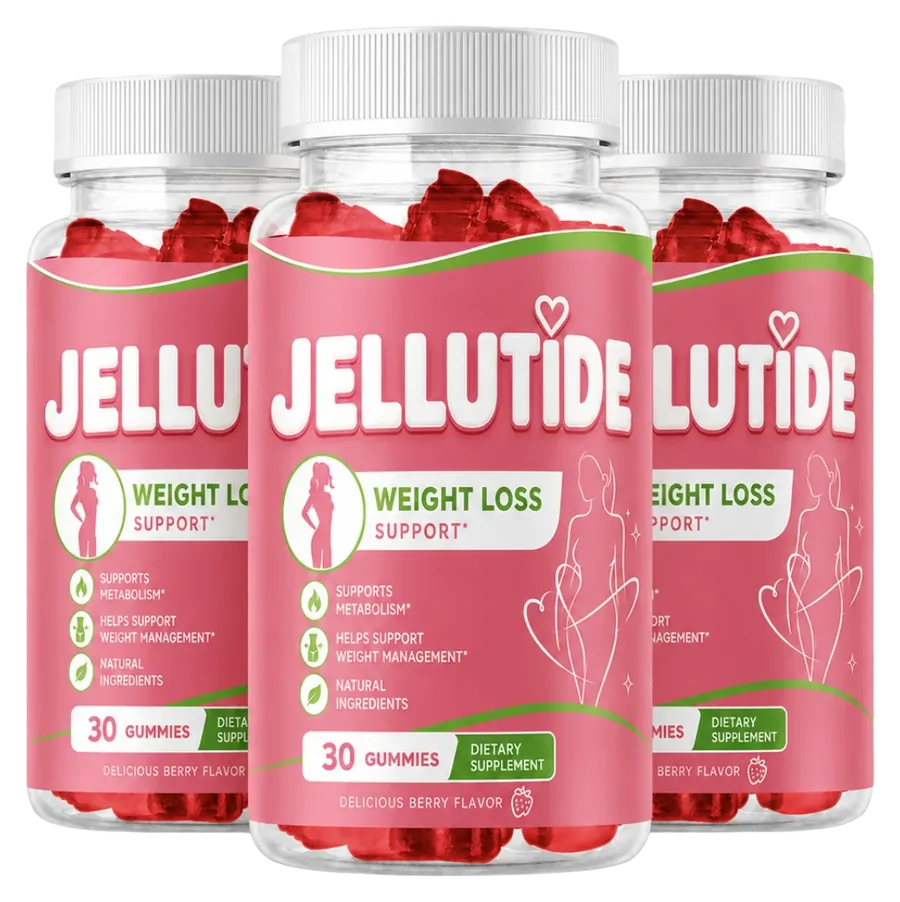
Free shipping
3 bottles90 days at 1 gummy a day
$216$72 a bottle · about $2.40/day · Free shipping
Get 3 bottles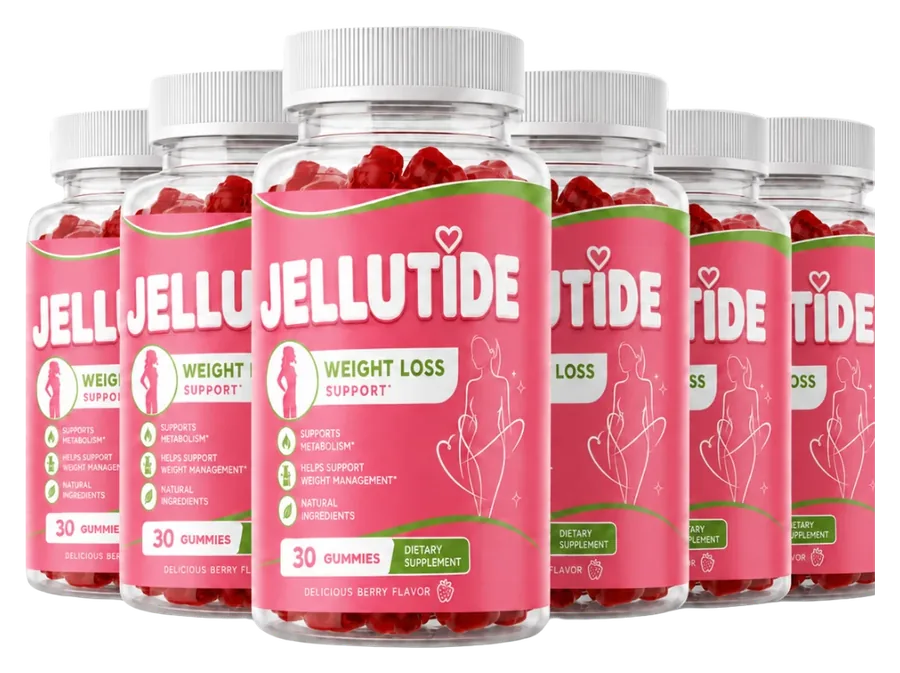
Lowest per bottle
6 bottles180 days at 1 gummy a day
$294$49 a bottle · about $1.63/day · Free shipping
Get 6 bottlesPrices on the sales page, October 18, 2026 (Jellutide sales page). The checkout shows the final total.
FAQ06
BMI questions
Is a BMI of 27 considered overweight?
Yes. CDC puts overweight at 25 to under 30 for adults (CDC, Adult BMI Categories). A BMI of 27 or more can also matter for medicine eligibility if a weight-related problem is present (NIDDK, Weight-loss medications). Ask your doctor what it means for you.
What BMI is severe obesity?
A BMI of 40 or higher is class 3 obesity, which CDC calls severe obesity (CDC, Adult BMI Categories). Class 1 is 30 to under 35 and class 2 is 35 to under 40.
Does BMI apply the same way at every age?
CDC's adult categories apply regardless of age, sex or race for adults 20 and older (CDC, Adult BMI Categories). CDC still says BMI is a screening measure to weigh with other factors.
Why does my doctor look at more than BMI?
Because BMI is a screening measure (CDC, Adult BMI Categories). Doctors weigh it with other factors, since overweight and obesity are linked to conditions like diabetes and heart disease (NIDDK, Health Risks of Obesity).
Who wrote this07
Written and reviewed by
Pages built from the bottle label, the sales page and linked NIH, FDA, CDC, FTC and peer-reviewed sources.
Last updated . Read our editorial standards and how we check reviews. This website is run by a USA authorized Jellutide retailer, not by the manufacturer or the distributor. We earn money when you buy through our order links.
Keep reading
More about Jellutide
USA authorized Jellutide retailer
Ready to try Jellutide?
Check your medicines first, then pick a pack. Three or six bottles ship free and cost less per bottle, and the 60-day guarantee runs from the day the package arrives.
- Secure checkout on the sales page
- 60-day money-back guarantee
- Ships from the U.S.